Engaging Berlin‘s Youth in Urban Planning: Berlin as a migrant and activist city
Format: Design Studio // Habitat Unit, TU Berlin
Teaching team: Juliana Canedo, Moritz Ahlert, Qusay Amer, Maureen Abi-Ghanem
The Master Studio offered in the Winter Semester 2024 at TU Berlin engages with the city’s complex socio-political history through a focus on activism and migration as key forces shaping its urban fabric. Berlin has long been marked by processes of conflict, transformation, and renewal, from war and destruction to social movements and migration flows. Today, it is widely recognized for its openness and diversity, attracting people from across the world and producing a dynamic yet contested urban environment where multiple narratives coexist. At the same time, the city’s long-standing tradition of political engagement and grassroots activism continues to influence contemporary struggles around housing, environmental justice, human rights, and inclusive urban development.
Within this context, the studio critically examines the role of citizen participation in shaping urban policies and planning processes. Although Berlin offers a range of formal mechanisms for public engagement, participation is not evenly distributed across different social groups. Structural barriers such as language, cultural differences, and age often limit access to these processes, resulting in the exclusion of certain voices from decision-making. Teenagers, in particular, are frequently overlooked, despite being directly affected by urban transformations and future planning decisions. The studio therefore places a strong emphasis on engaging with young people as active contributors to urban discourse, aiming both to understand their perspectives and to foster a sense of agency and awareness regarding their role in shaping the city.
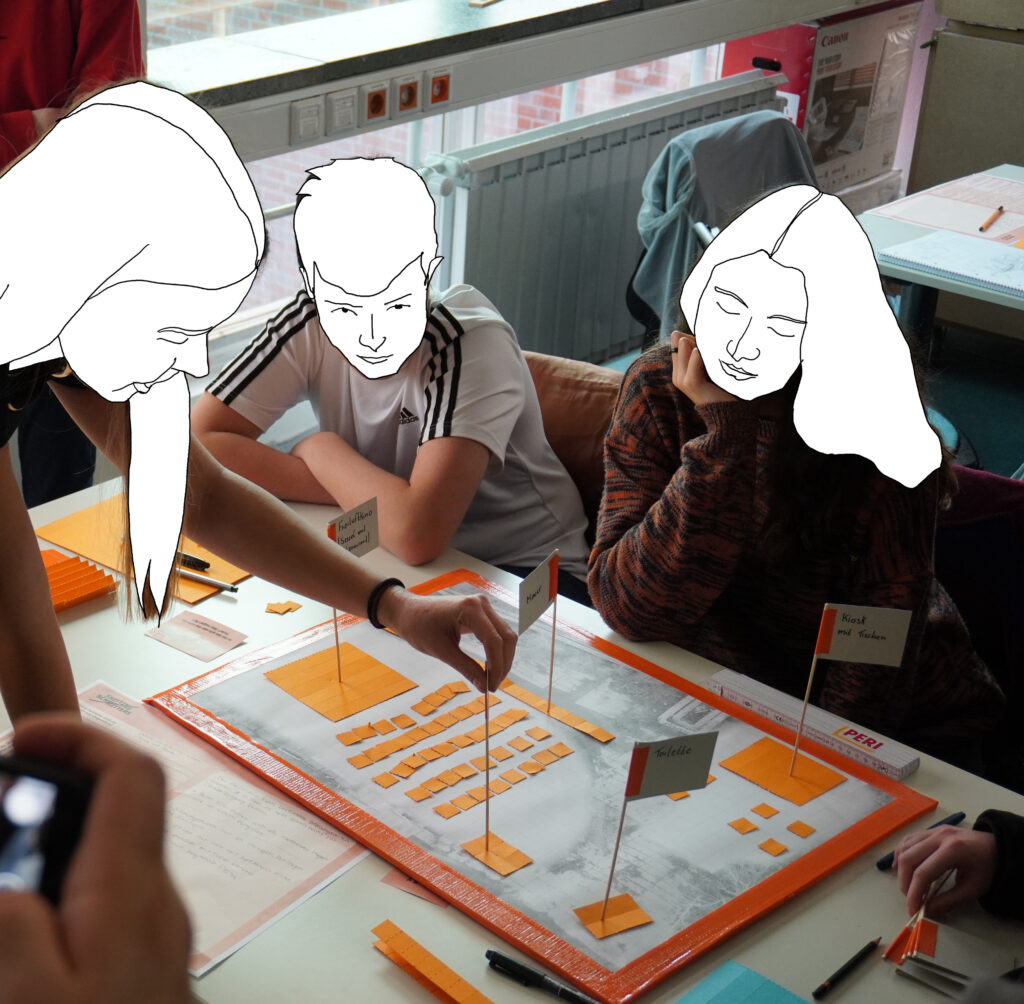
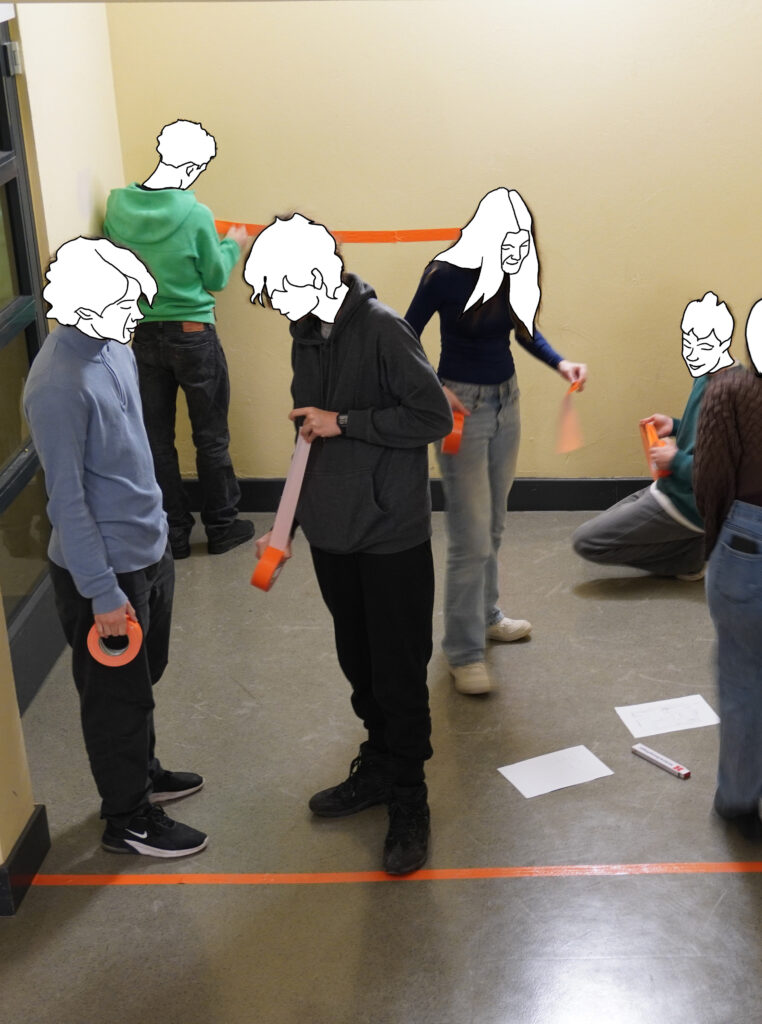
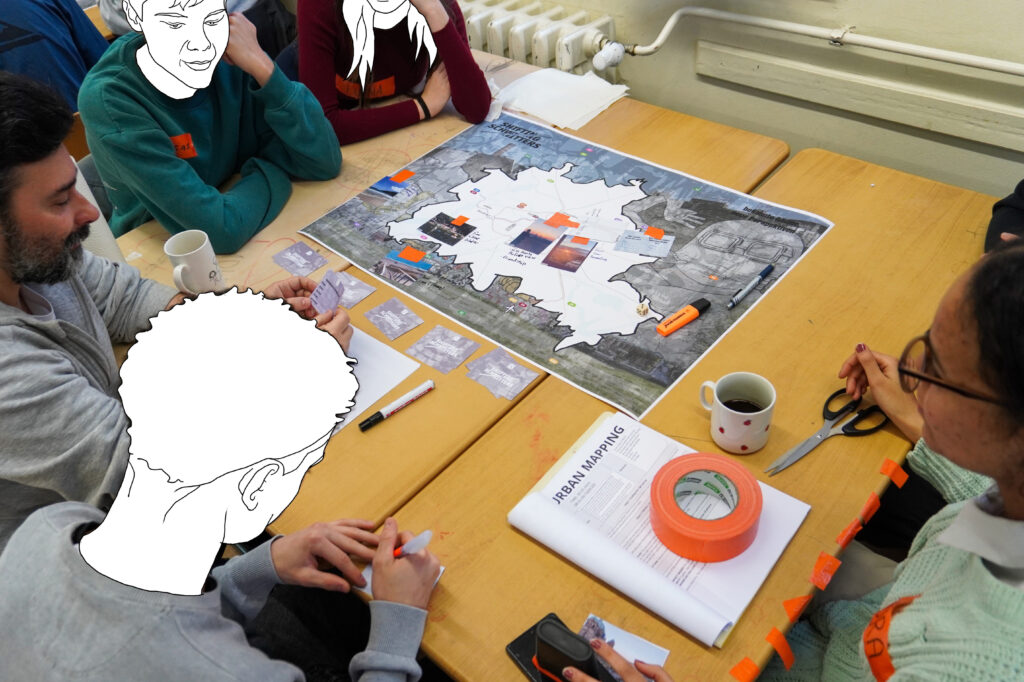
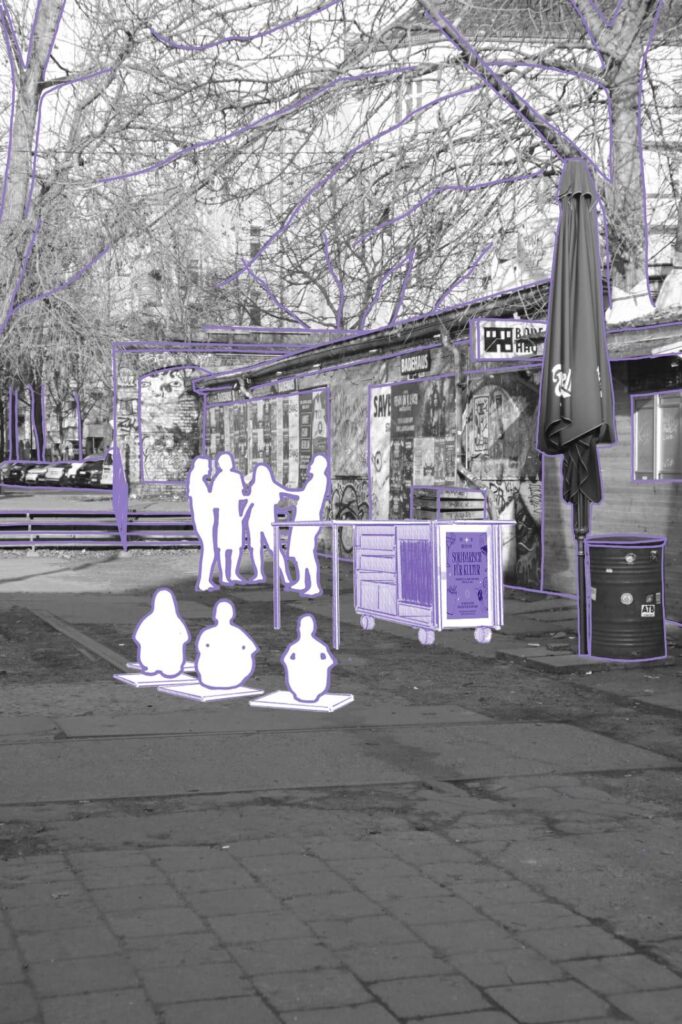
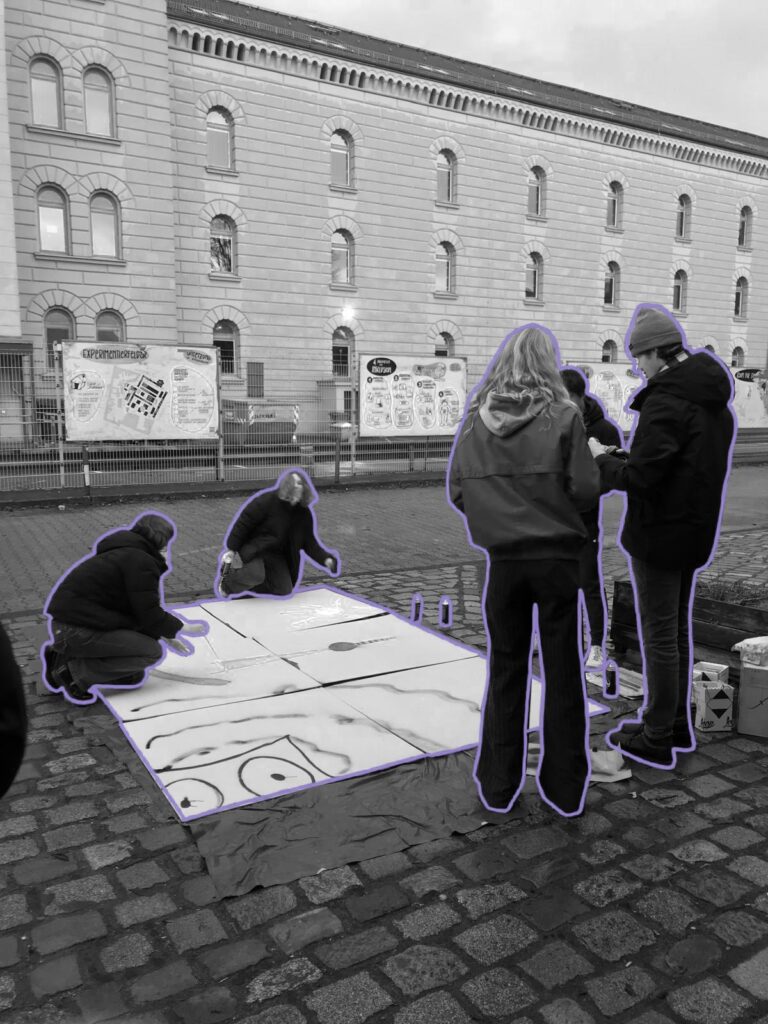
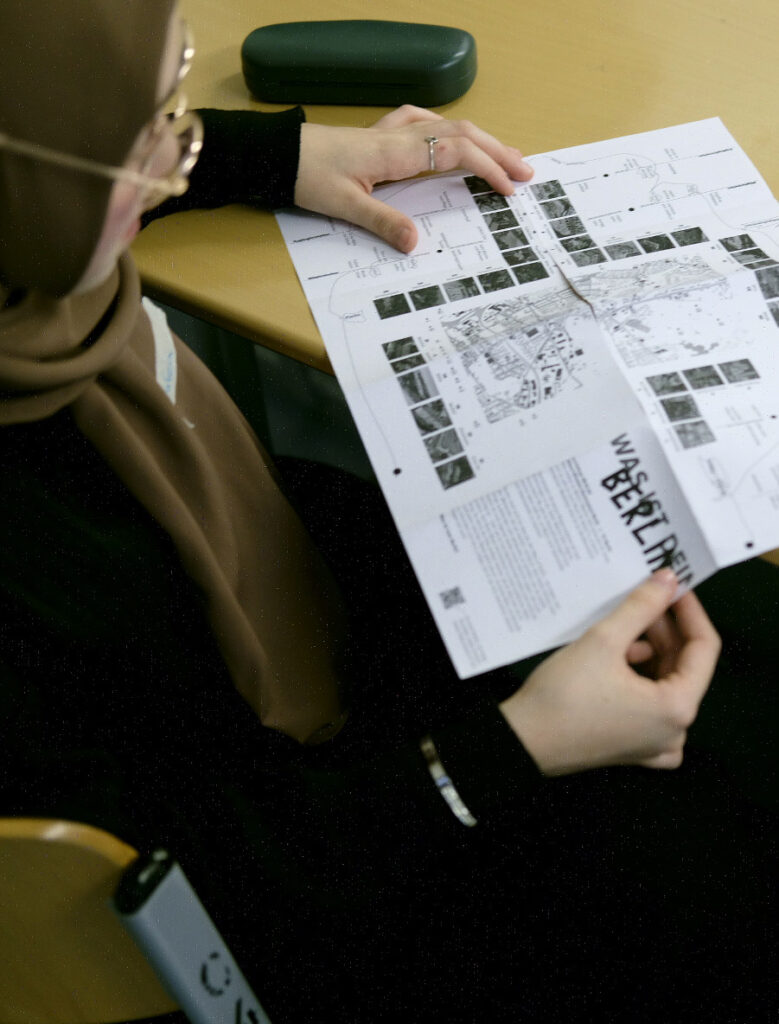
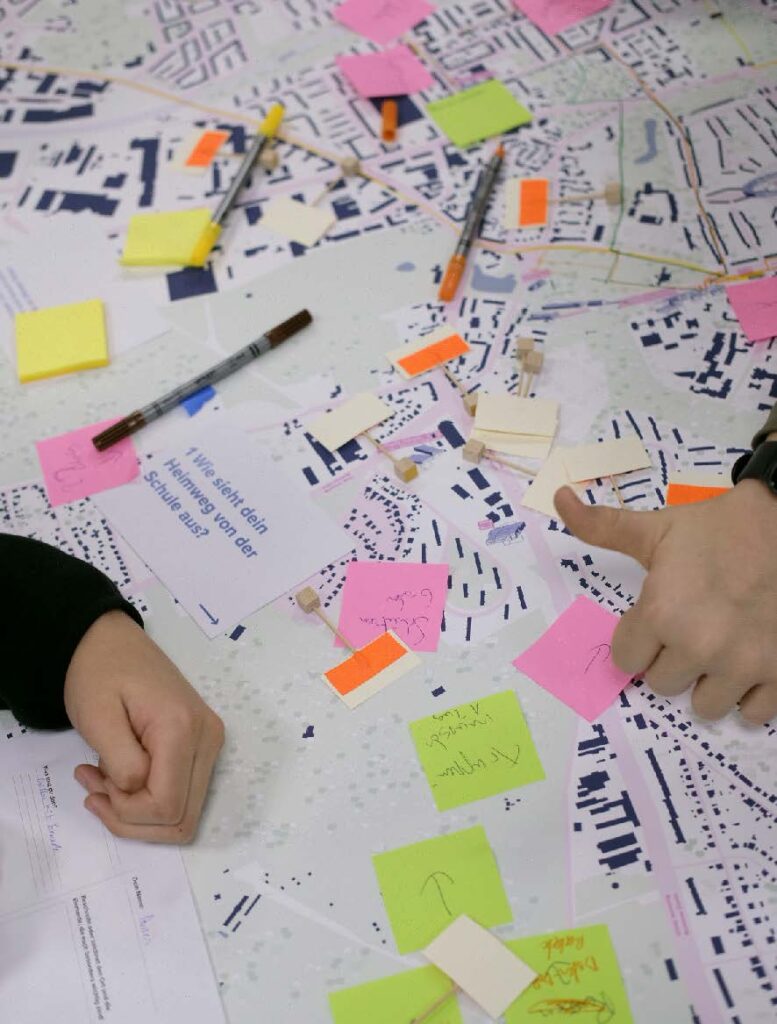
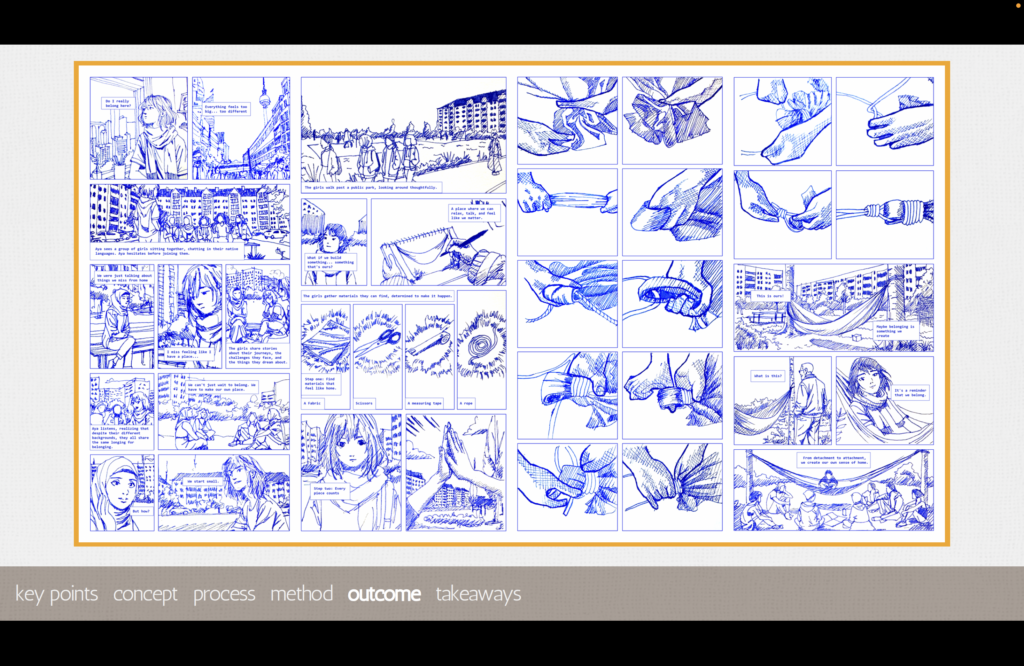
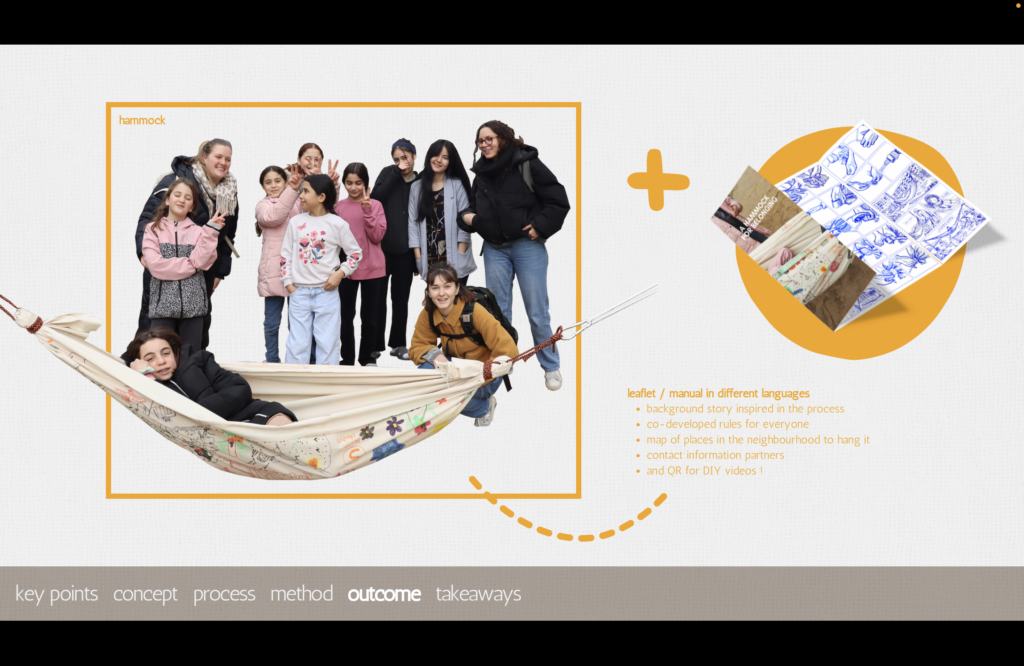
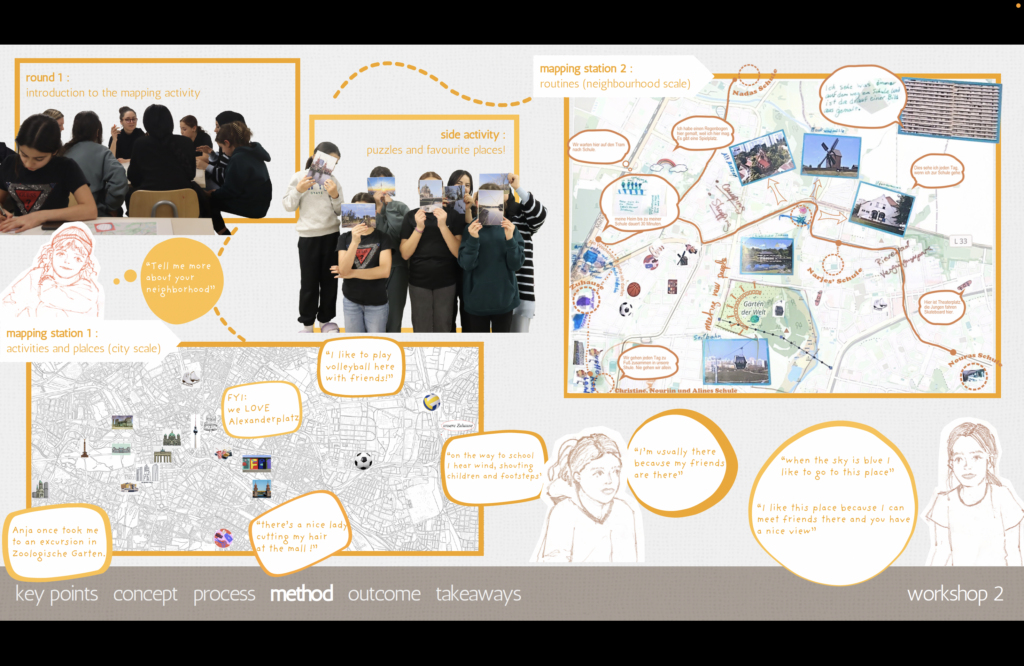
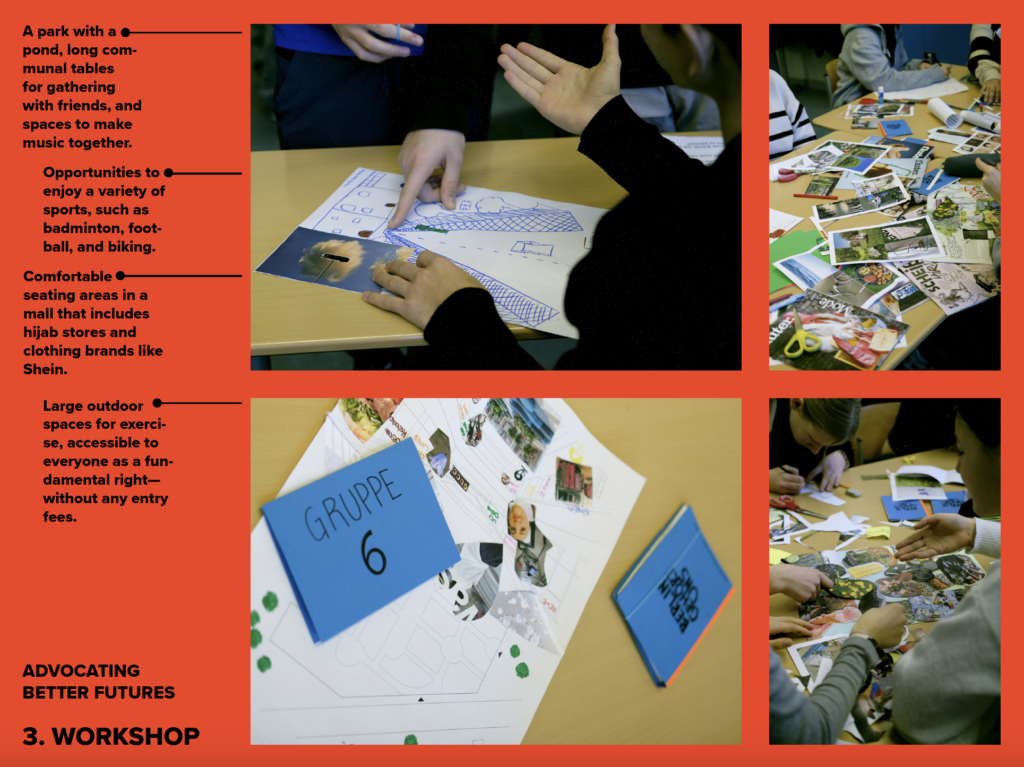
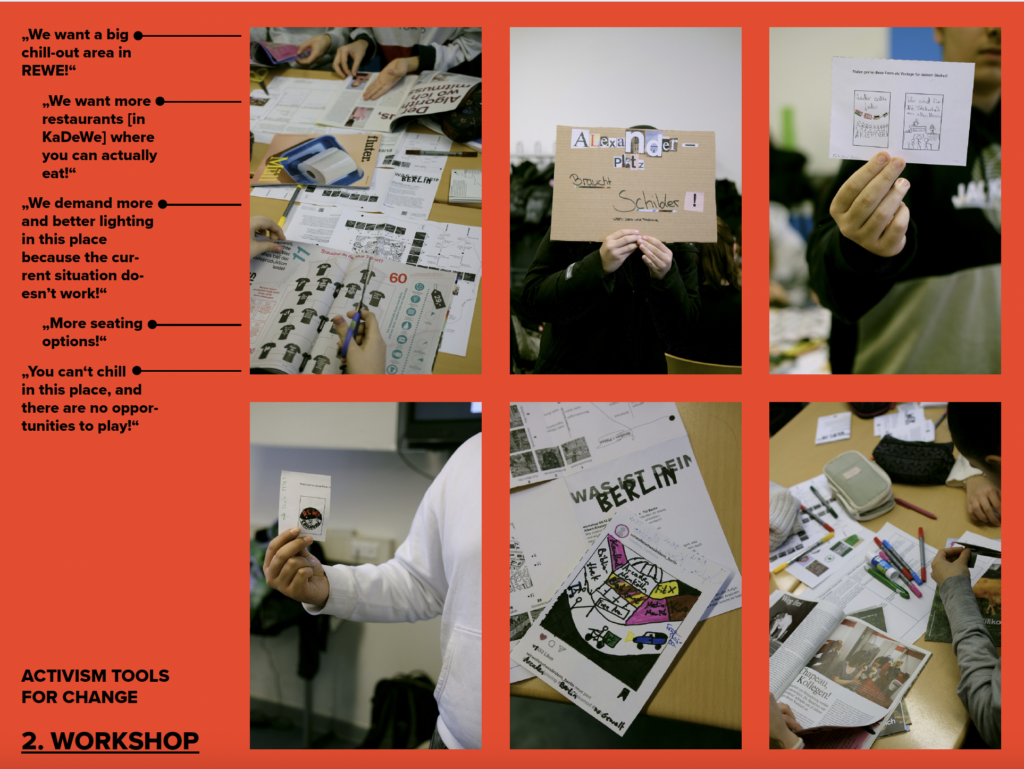
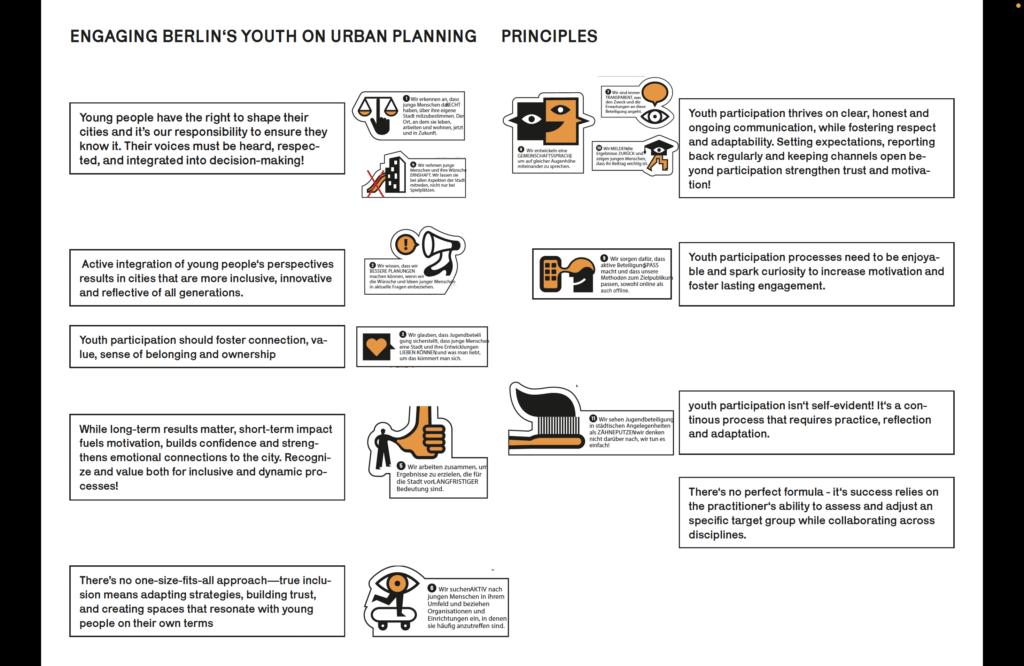
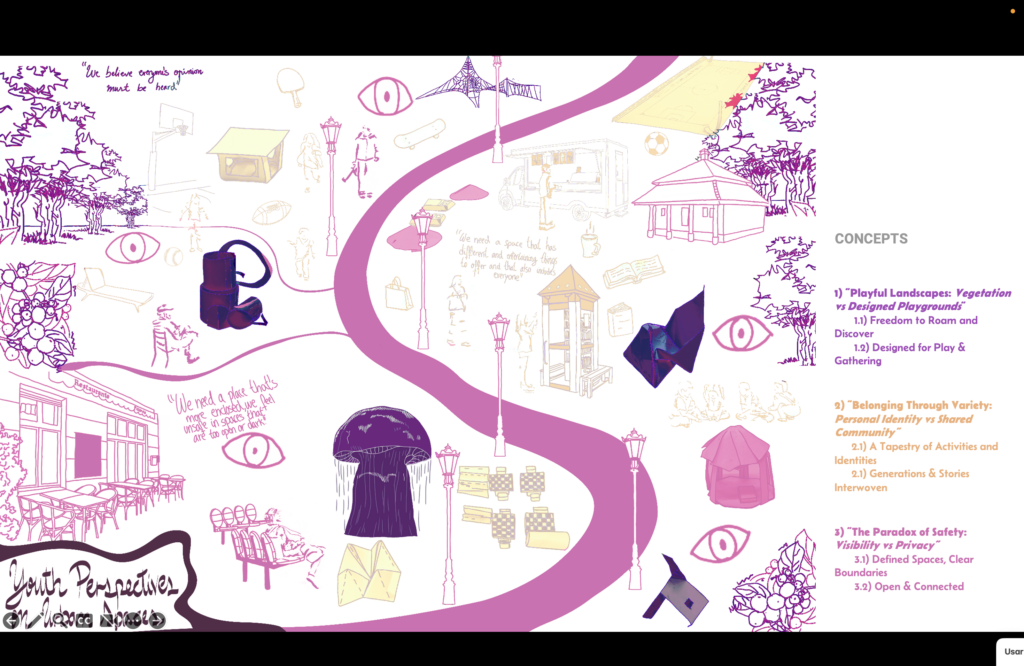
Developed in collaboration with writer Ellen Schindler, author of “Metro 010,” the studio explores the spatial experiences and imaginaries of teenagers from diverse social backgrounds through a range of collaborative and participatory methodologies. Students work closely with different groups of young participants to co-develop spatial narratives that reflect their everyday realities, aspirations, and challenges within the urban environment. This process serves as a foundation for rethinking existing approaches to participation and for collectively redefining how teenagers can be meaningfully included in planning and design processes. A key outcome of the studio is the development of a manifesto for youth participation, which articulates new strategies and principles for more inclusive and representative urban practices.
As part of the preparatory phase, students engage in the PIV (Project Integration and Visualization), where they are introduced to methods for mapping socio-spatial practices and experimenting with tools of visualization that support fieldwork and analysis. This phase includes inputs and workshops led by experts and is developed in cooperation with the Collaborative Research Center SFB “Refiguration of Spaces,” with contributions from Dr. Jamie Scott Baxter and Dr. Séverine Marguin. These methodological foundations enable students to critically investigate urban conditions and to translate qualitative insights into spatial representations.
Through the integration of research, field engagement, and design exploration, the studio fosters a collaborative learning environment that bridges academic inquiry and lived experience. It encourages students to reflect on their role as architects and urban practitioners in facilitating inclusive processes and amplifying underrepresented voices. By focusing on the intersection of activism, migration, and youth participation, the studio contributes to the development of more equitable and responsive approaches to urban planning, envisioning Berlin as a city where diverse perspectives are not only acknowledged but actively shape its future.
Outcomes
Magazine