Learning from Insurgent Practices in Times of Climate Emergency
Format: Design Studio // Habitat Unit, TU Berlin
Teaching team: Juliana Canedo, Francesca Ceola, Aman Azevedo, Fernanda Petrus
The Master Studio offered in the Summer Semester 2025 at TU Berlin critically engages with the challenges of global urbanization in the context of the climate emergency, addressing the extractive logics that continue to shape contemporary modes of production, living, and spatial organization. As planetary sustainability is increasingly threatened, the studio situates itself within ongoing debates on climate injustice and environmental racism, recognizing that the communities and territories least responsible for environmental degradation are often those most affected by its consequences. Against this backdrop, the studio turns its attention to the knowledge and practices of communities historically positioned at the margins of capitalism, including campesinos, Indigenous peoples, and other traditional groups such as Afro-descendant and riverine communities, whose ways of inhabiting and organizing space offer critical alternatives to dominant development paradigms.
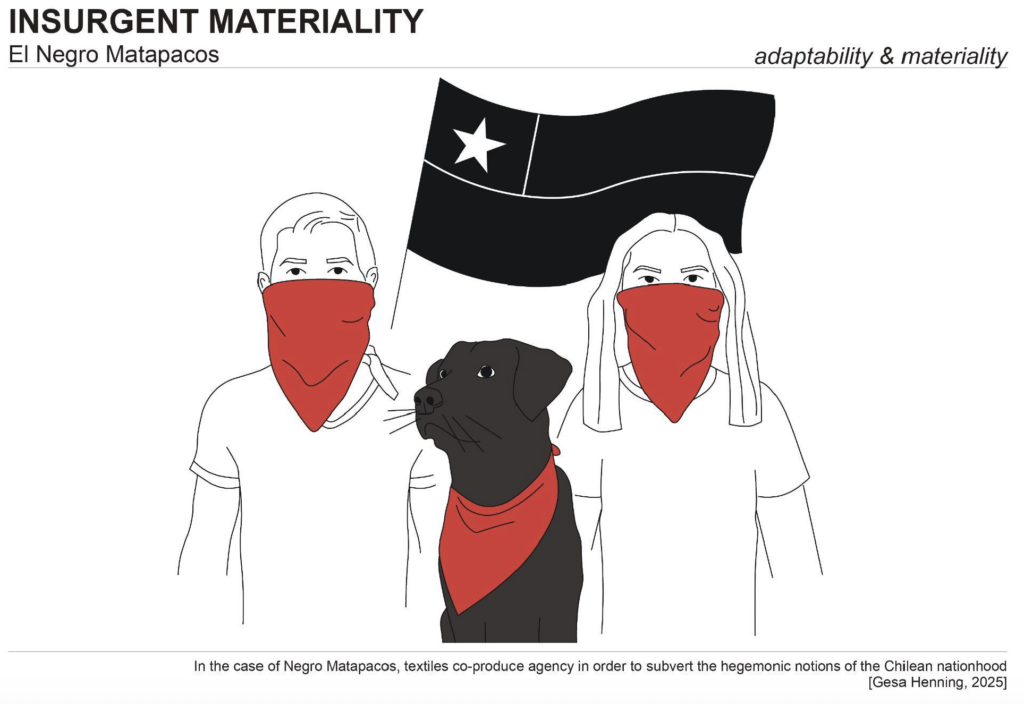
Rather than approaching these communities as passive victims of global processes, the studio frames them as active agents of resistance and innovation, whose insurgent practices challenge the expansion of neoliberal systems that exploit both people and nature. In light of the upcoming COP30, to be held in 2025 in the Amazonian city of Belém, Brazil, the studio adopts a critical perspective toward global climate governance and its limitations, particularly in the face of ongoing environmental destruction driven by agribusiness, mining, and oil industries. The studio therefore seeks to interrogate the contradictions between global sustainability discourses and the continued exploitation of territories and communities, exploring how alternative modes of inhabitation can disrupt and reconfigure dominant urban and territorial imaginaries.
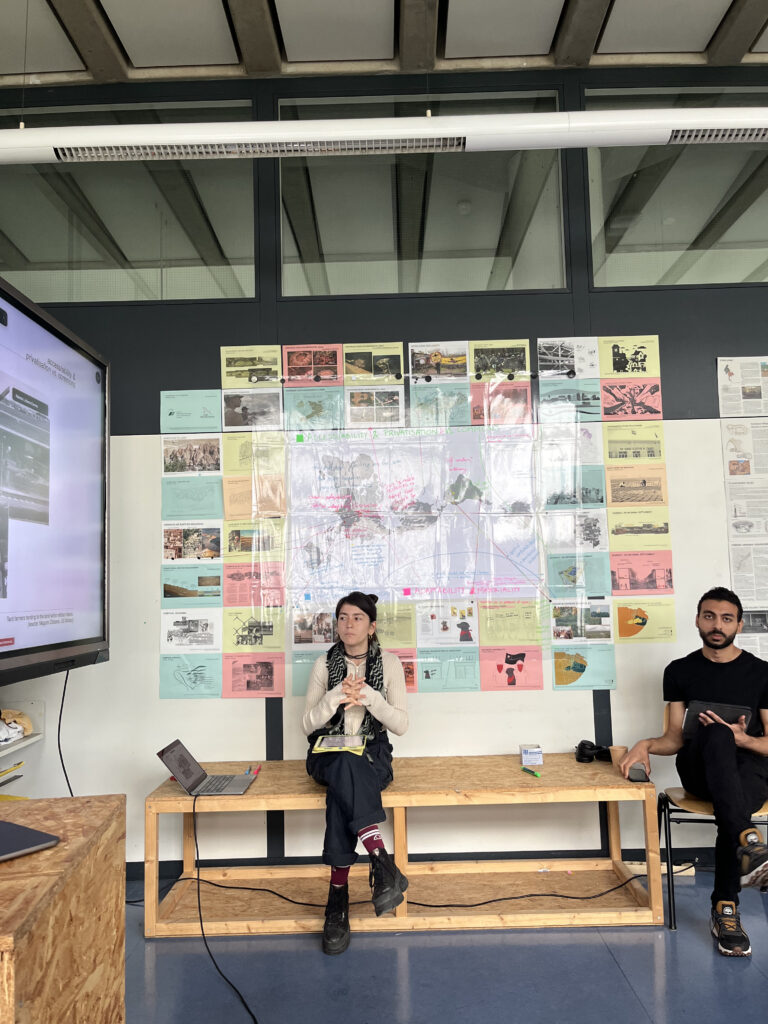
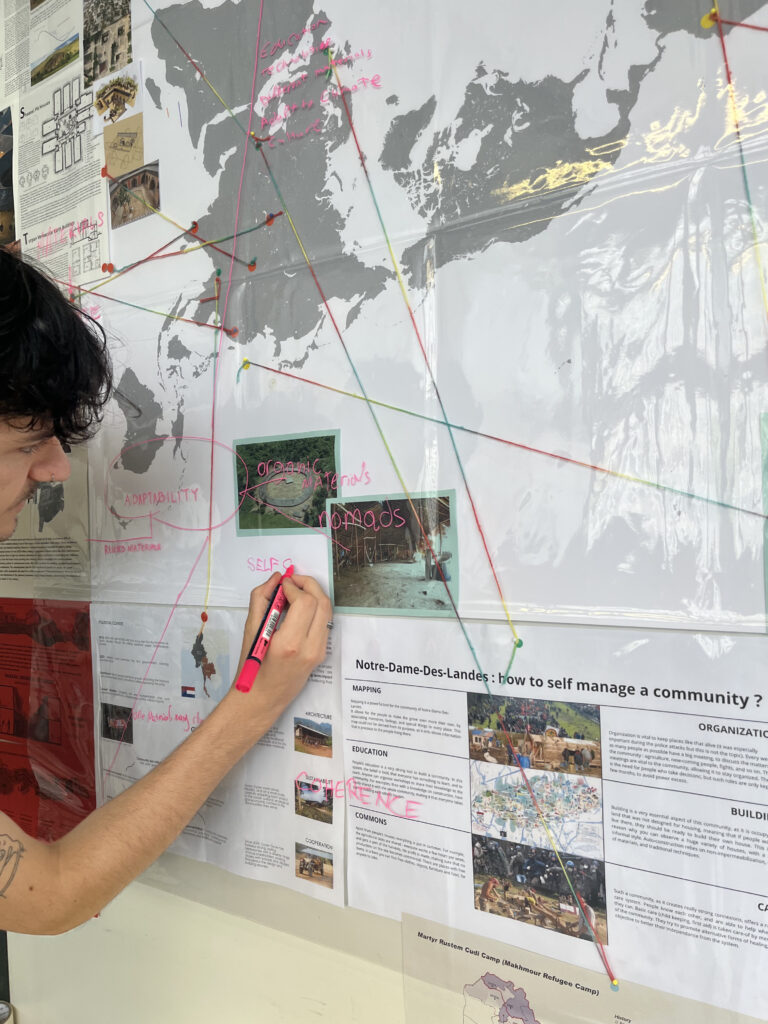
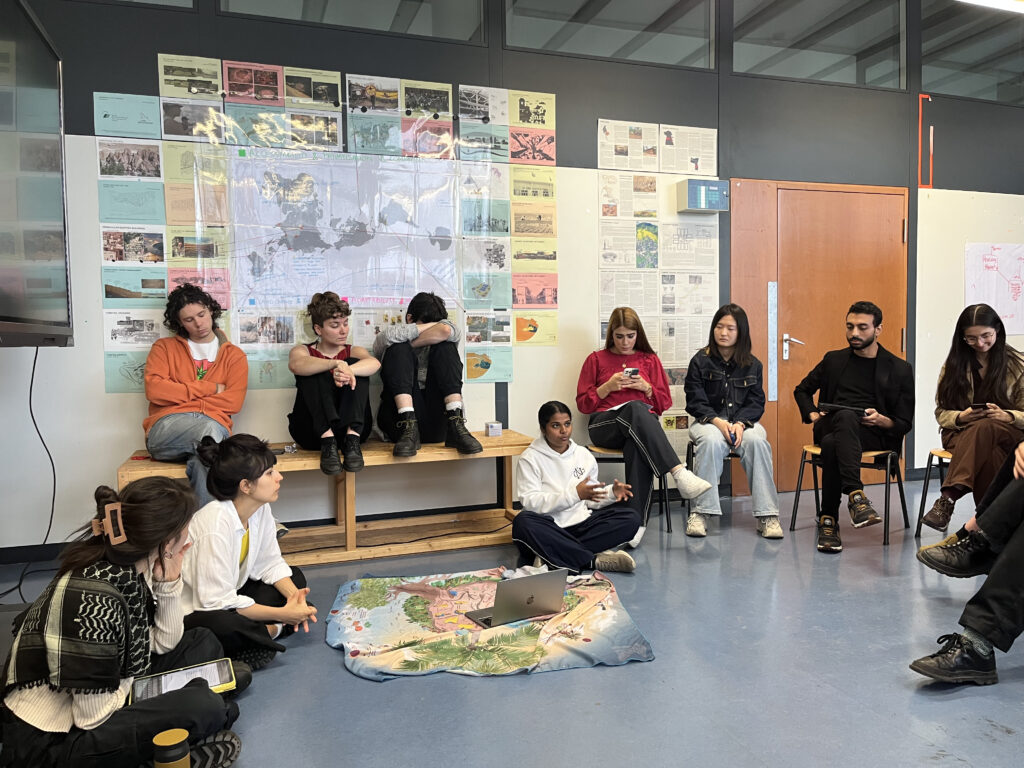
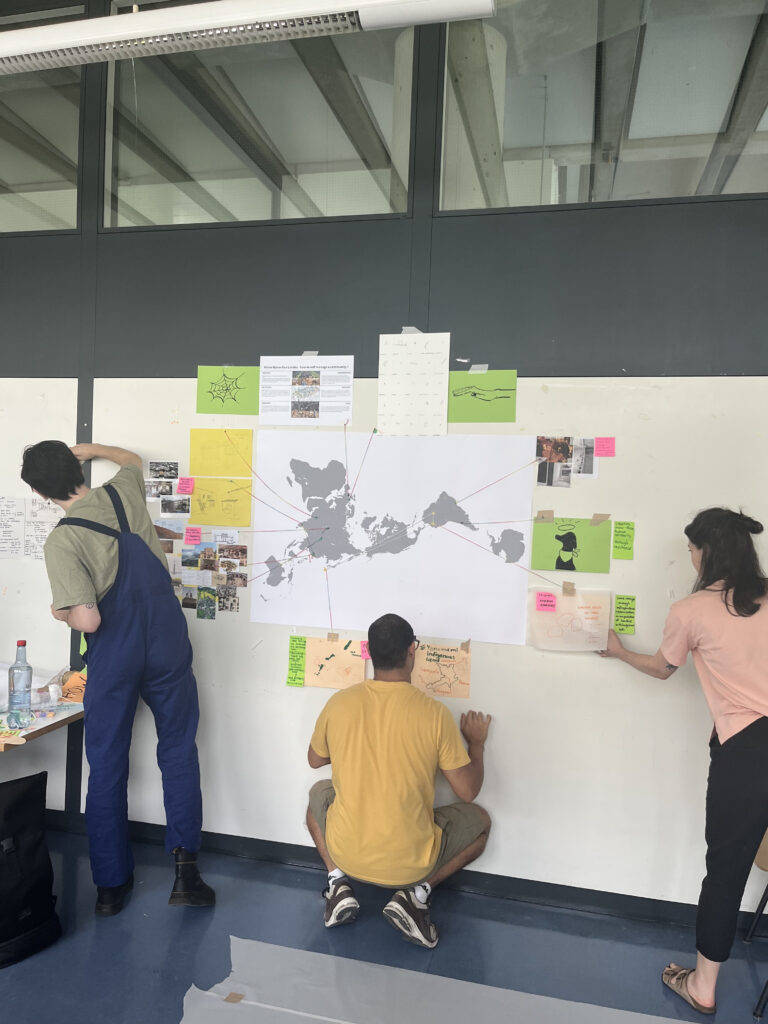
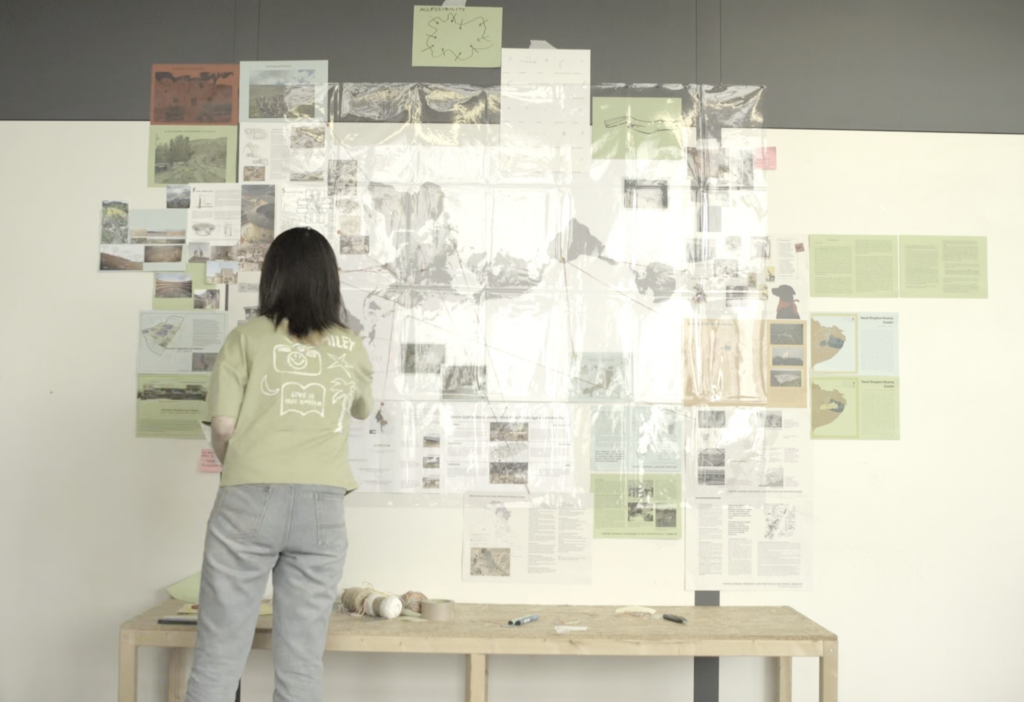
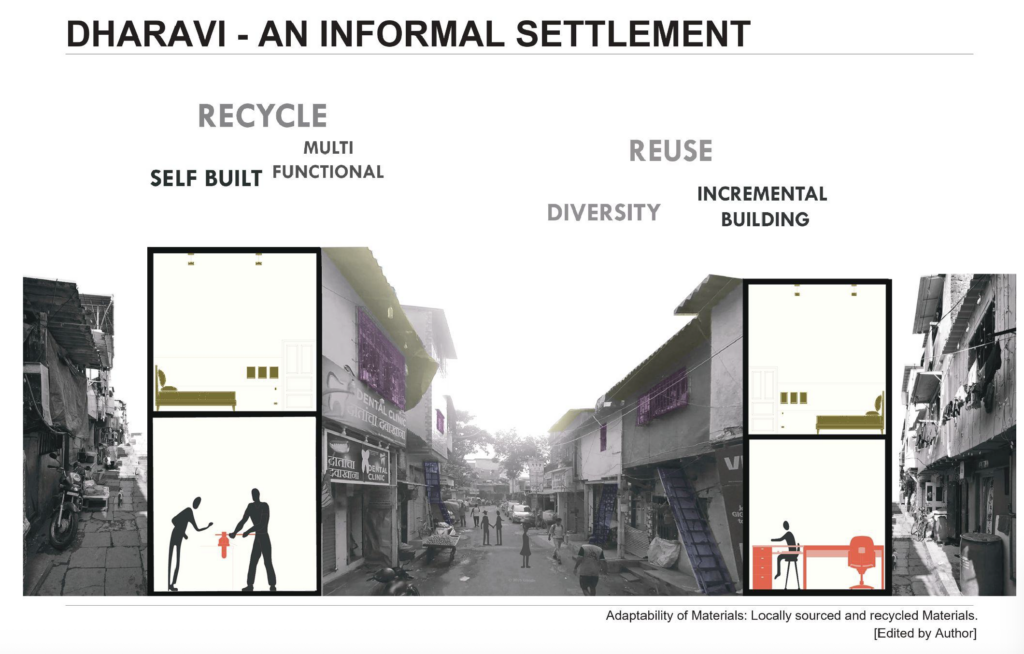
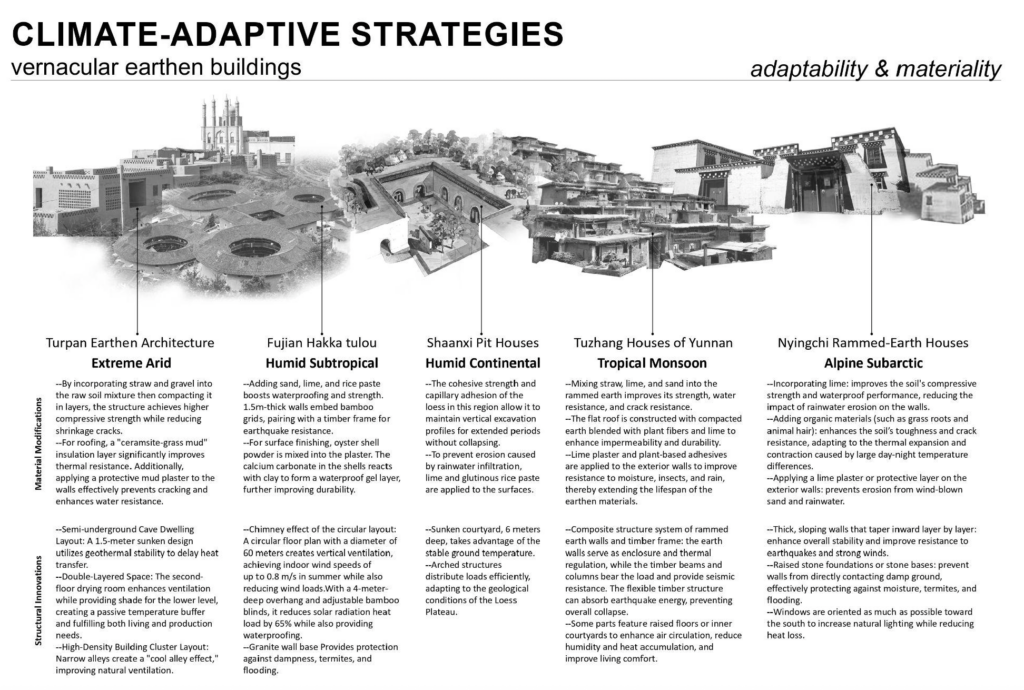
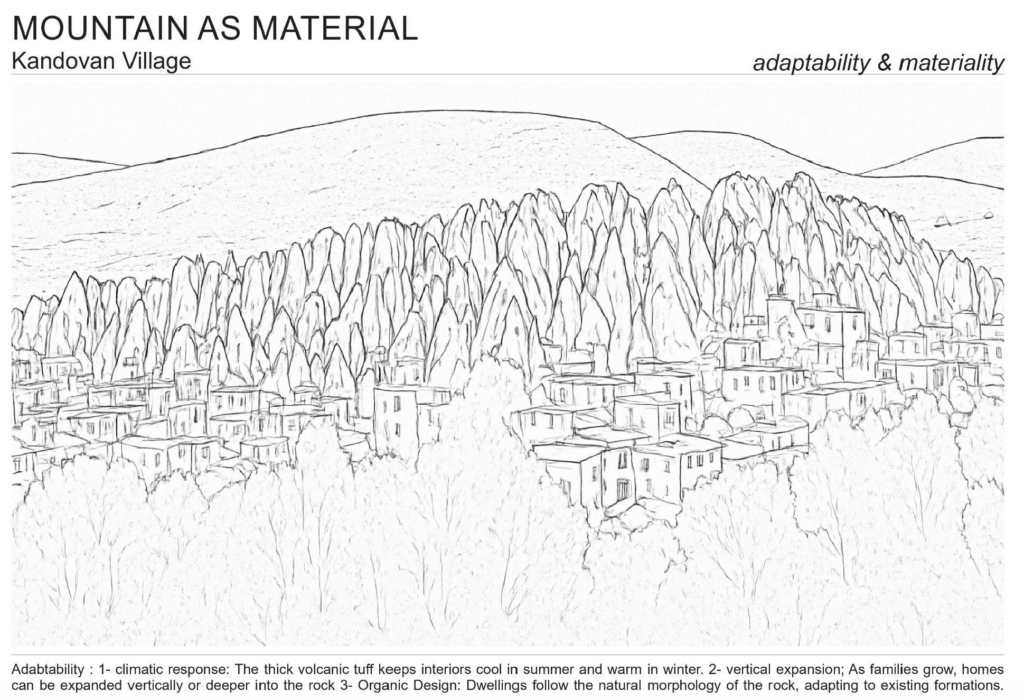
Structured as a research-based and exploratory environment, the studio invites students to investigate counter-hegemonic forms of spatial practice and society–nature relations developed by grassroots groups across different contexts. Through engagement with diverse case studies, participants examine how these practices redefine relationships between humans and the environment, proposing more sustainable, collective, and life-centered approaches to building, producing, and living. The studio places particular emphasis on expanding conventional architectural and urban representations by incorporating alternative formats of mapping, storytelling, and knowledge production that reflect the complexity and plurality of these experiences.
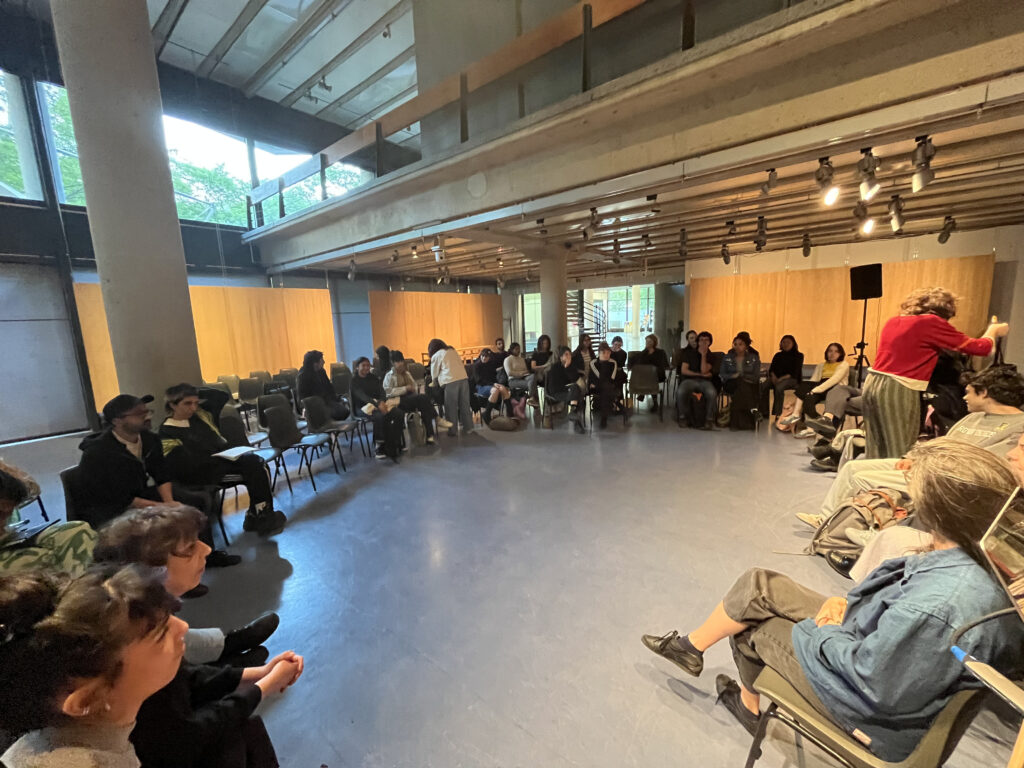
Throughout the semester, students participate in a series of inputs and discussions with international actors, fostering a transdisciplinary dialogue that connects academic inquiry with lived experiences and activist practices. This exchange is intended to challenge dominant epistemologies and to create space for new forms of understanding and representing urban and territorial dynamics. The studio is developed in collaboration with Fernanda Petrus (UPO), Aman Azevedo (UFRJ), and Francesca Ceola (TU Berlin), strengthening international cooperation and bringing together diverse perspectives from different geographical and disciplinary contexts.
The studio is also connected to the X-Tutorial course “The Earth We Tread” and is conceived as part of a broader pedagogical framework that extends beyond the classroom. It will be linked to an excursion to Brazil in the following winter semester, where students will participate in a workshop developed in collaboration with Brazilian universities and local actors, allowing for a direct engagement with the contexts and communities discussed during the studio. Through this integration of research, teaching, and field-based experience, the studio aims to equip students with critical tools to confront the climate crisis and to rethink the role of architects and urban practitioners in shaping more just, sustainable, and inclusive futures.
Outcomes
Video Final Exercise