Right to Another City: Occupations and Favelas as Tactics of Resistance and Transformation
Period: 2013-2017 (Doctoral Dissertation)
Funding: CAPES
This doctoral research, developed at the Federal University of Rio de Janeiro under the supervision of Prof. Dr. Luciana Andrade and complemented by a nine-month research stay at Bauhaus-Universität Weimar under the supervision of Prof. Dr. Frank Eckardt, critically examines favelas and squats as forms of creative resistance to the capitalist production of housing. Rather than understanding these spaces as marginal or deficient, the research approaches them as active contexts and agents in the collective construction of alternative urban realities—cities that coexist with, and simultaneously resist, hegemonic models of urban development.
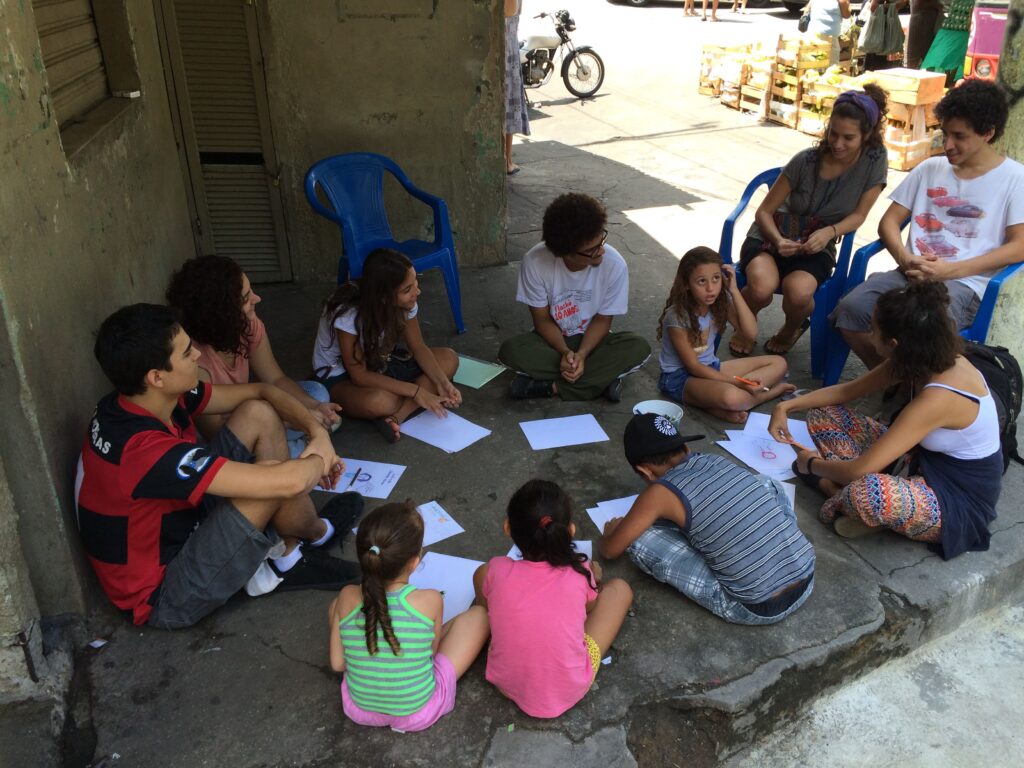
Positioned within the field of architecture and urbanism, the study reflects on the role of the architect in engaging with these territories, questioning how professional practice can contribute to ongoing struggles for housing, recognition, and spatial justice. It challenges conventional disciplinary approaches by proposing a shift from top-down intervention toward more embedded, collaborative, and politically aware forms of engagement. In doing so, the research interrogates the tools, knowledge systems, and assumptions that shape architectural practice, advocating for a redefinition of both the architect and architecture itself when operating in such contexts.
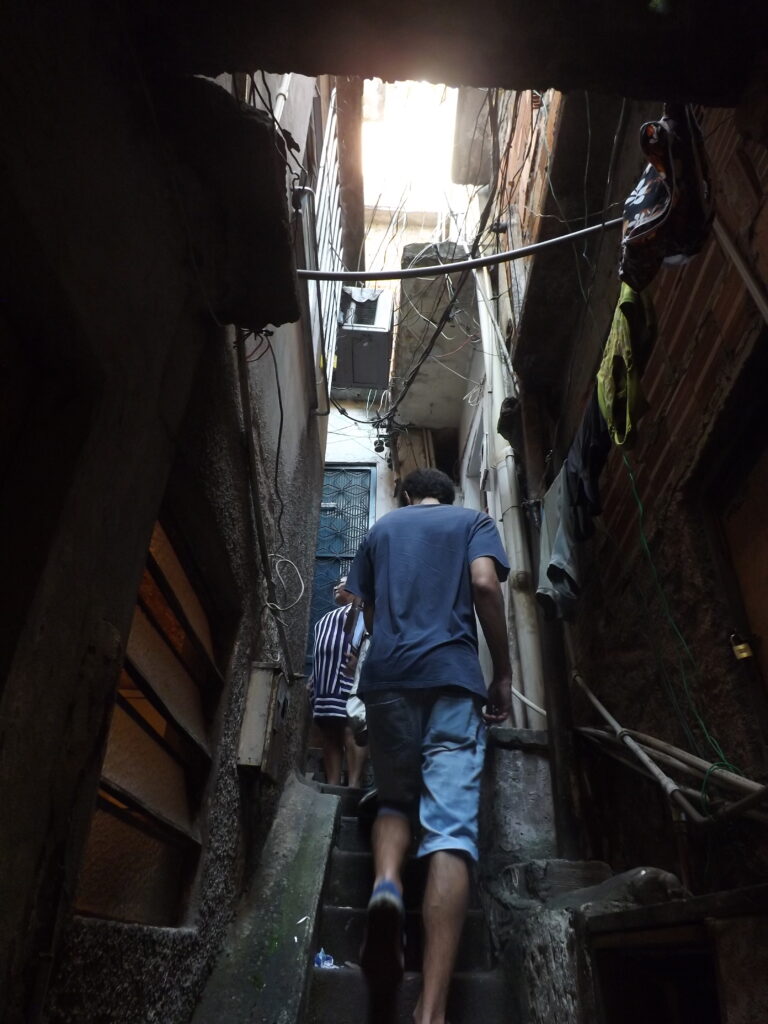
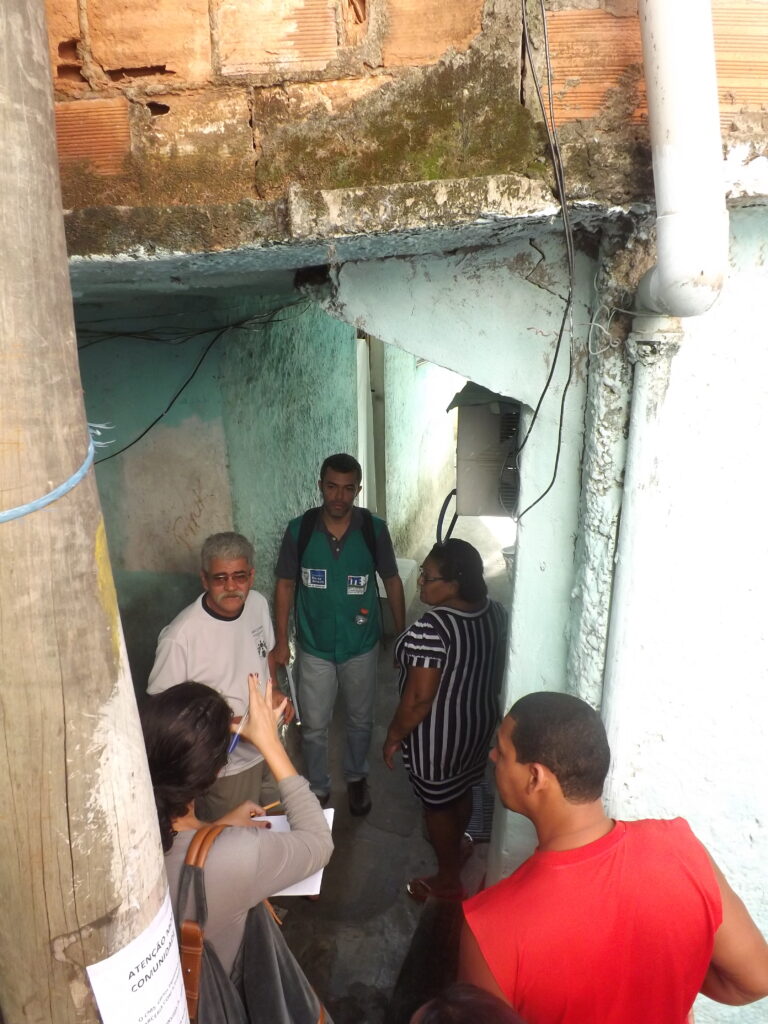
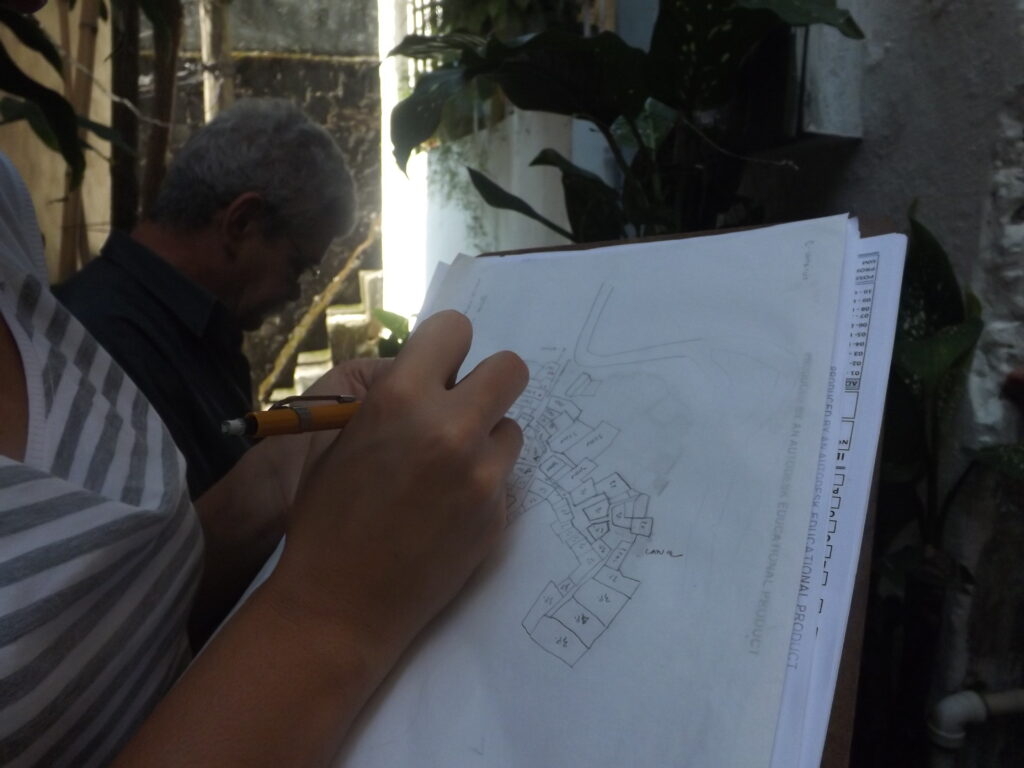
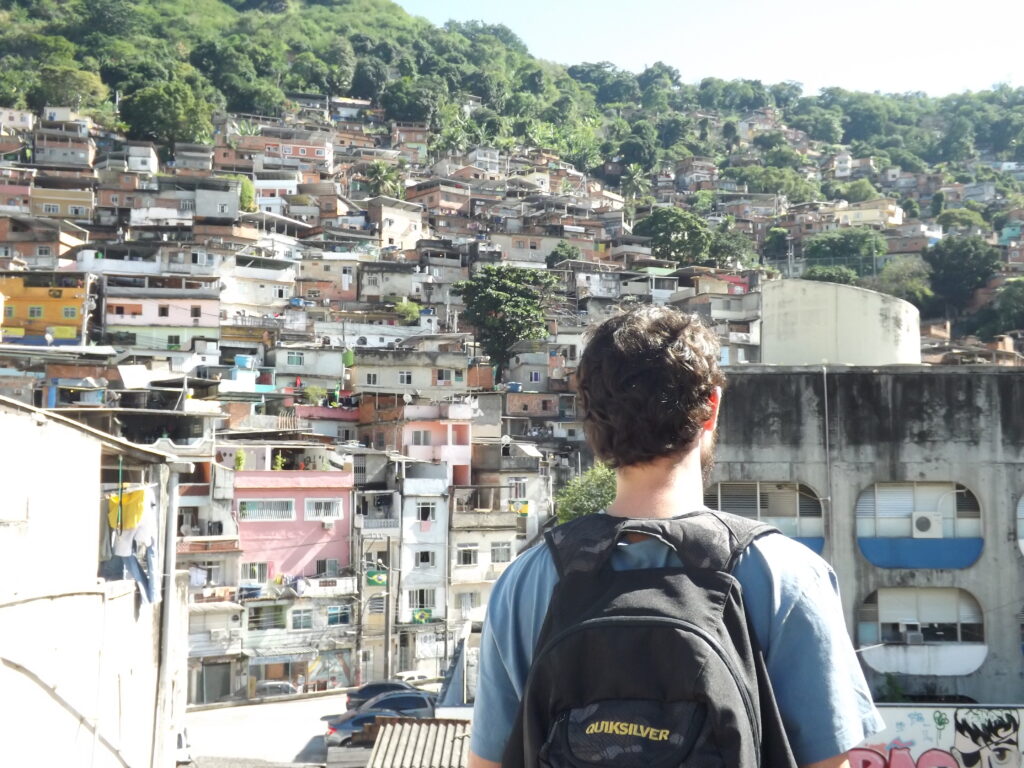
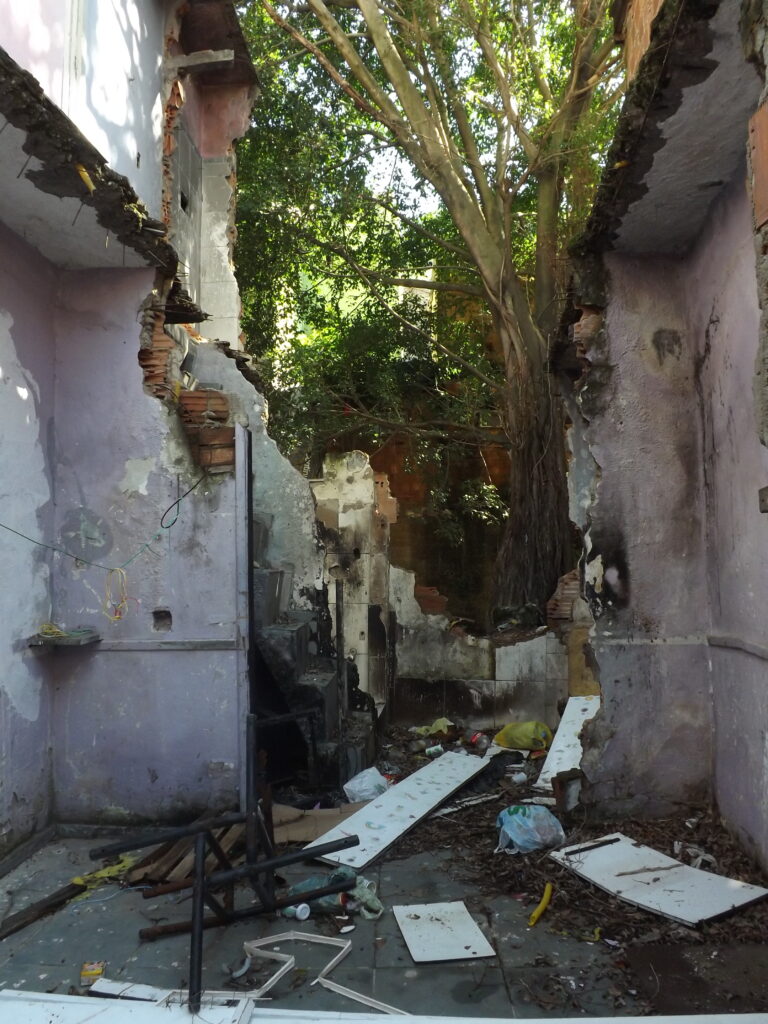
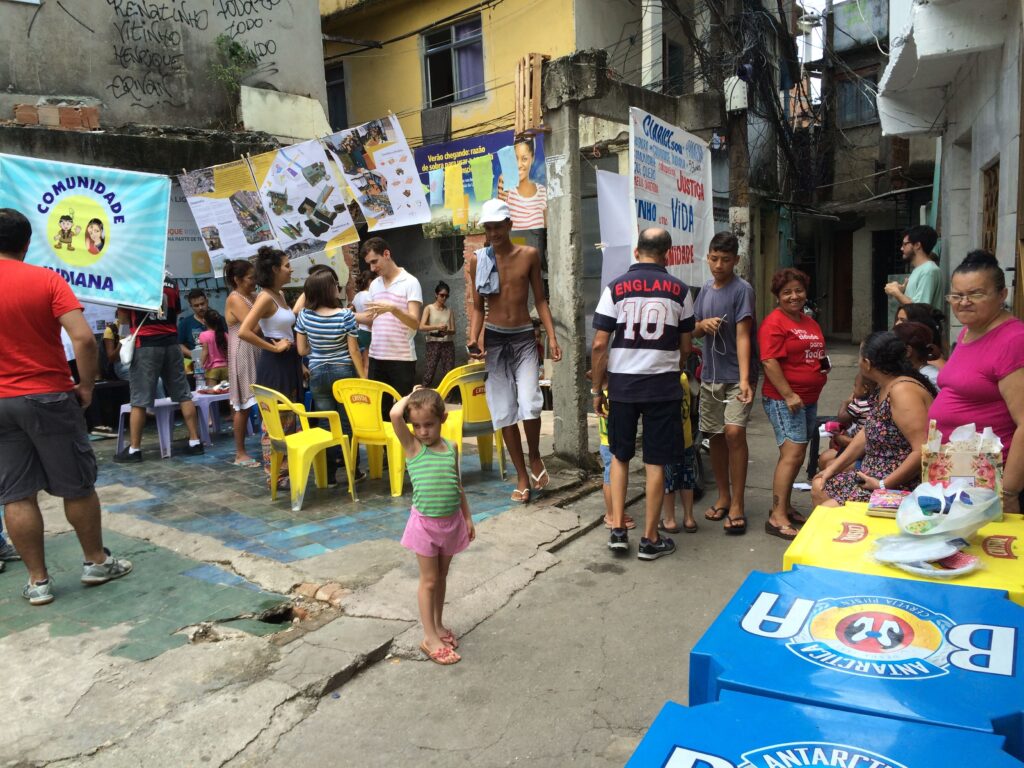
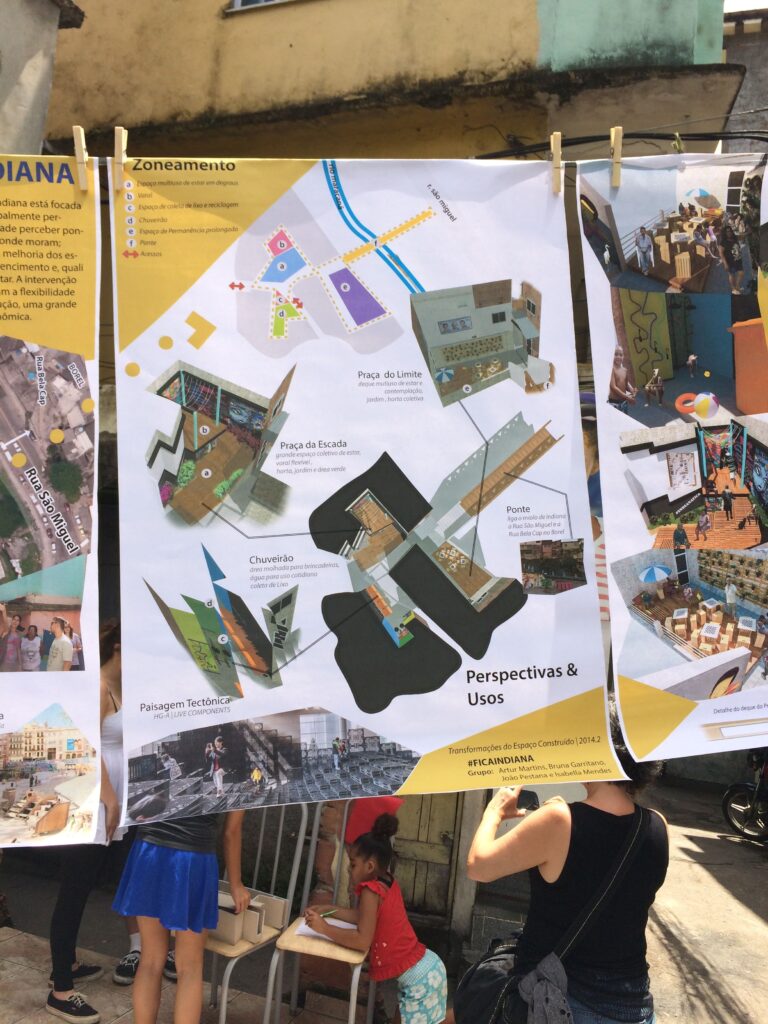
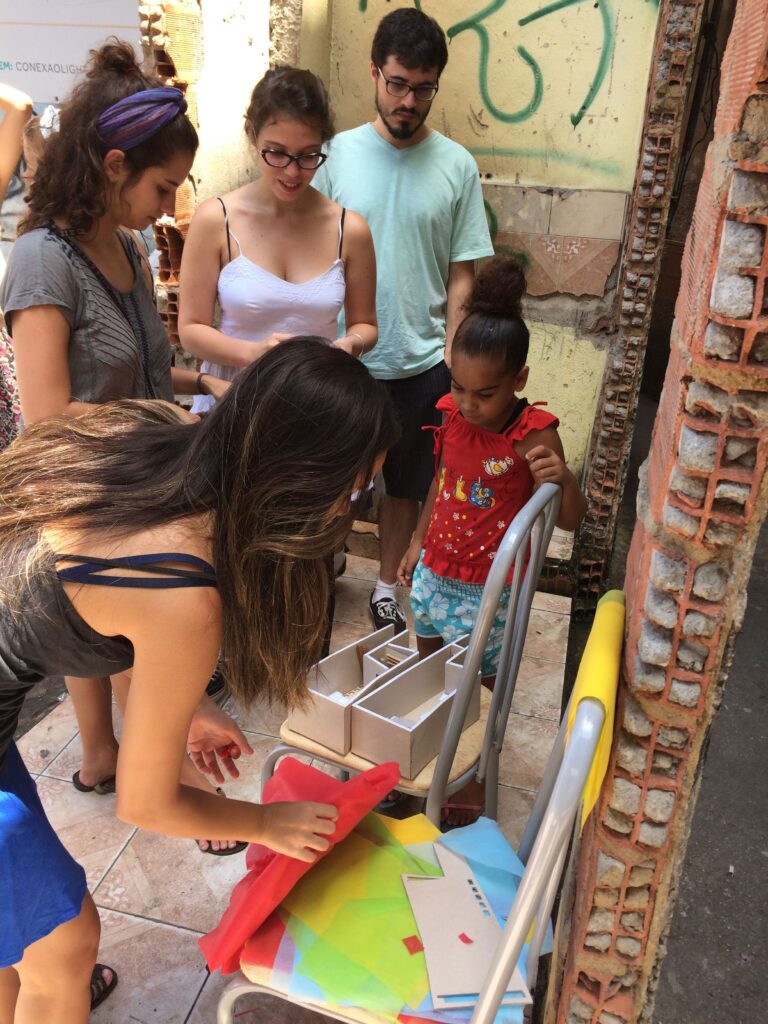
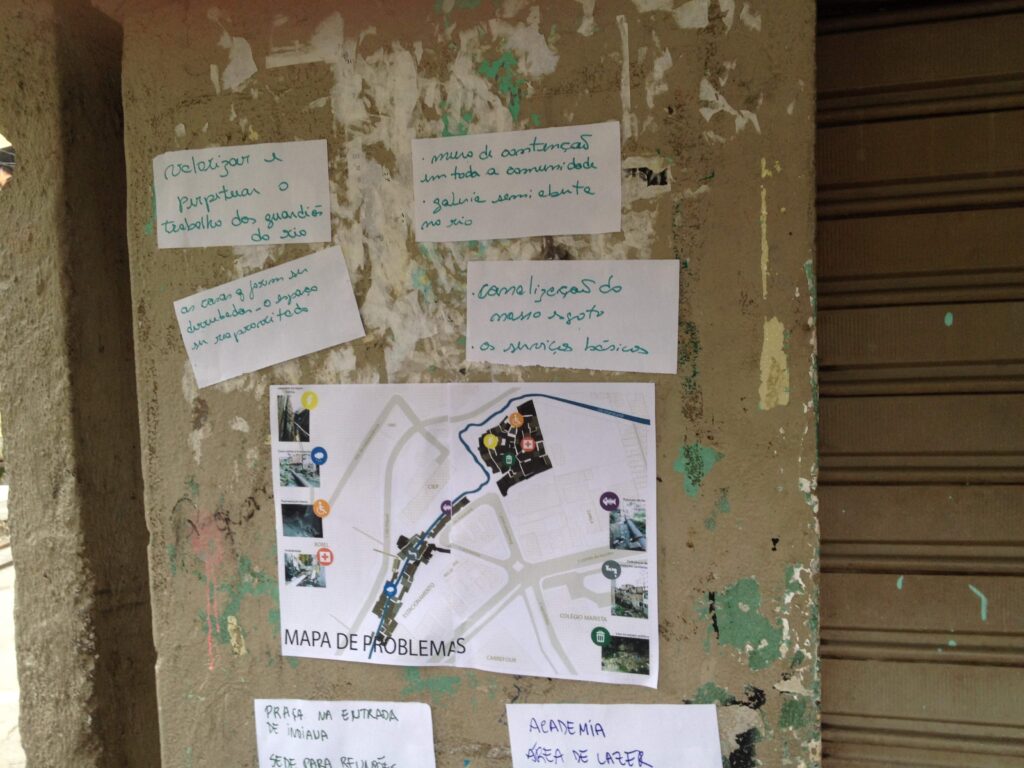
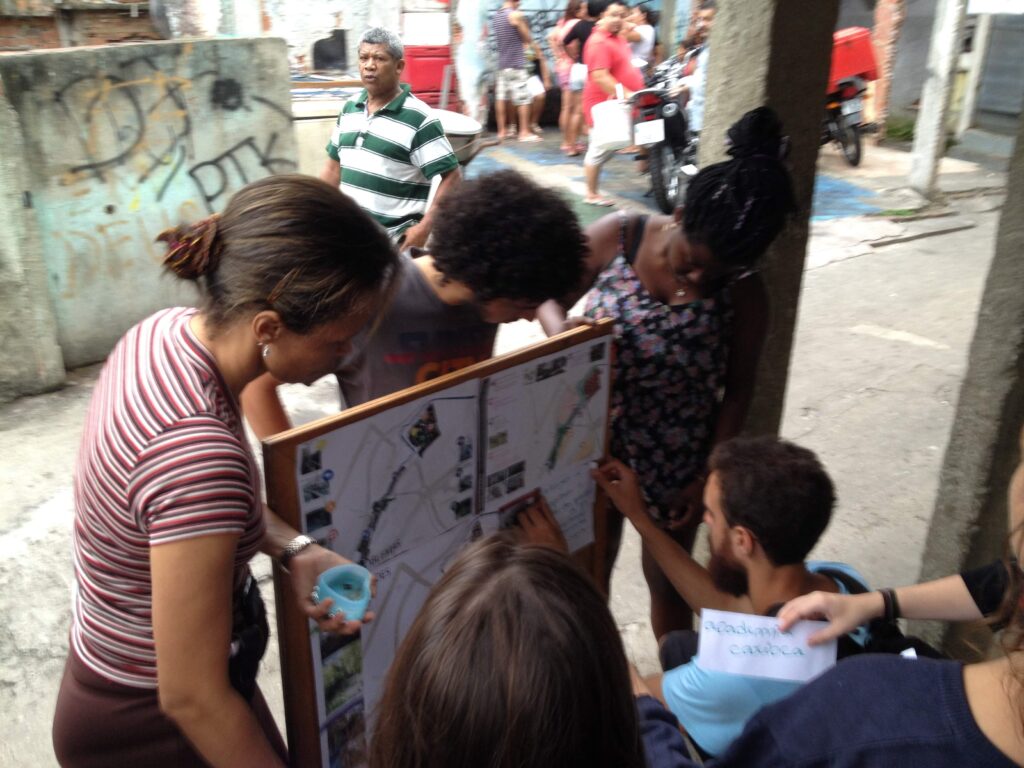
The empirical foundation of the research is grounded in the case of Favela Indiana, in Rio de Janeiro, a community threatened with eviction that serves as the central axis of analysis. Through this case, the study explores the tensions between formal planning mechanisms and lived spatial practices, as well as the strategies of resistance and self-organization developed by residents. The research further expands its perspective through dialogue with other cases, particularly urban squats in Berlin, drawing on insights gained during the research stay in Germany. This comparative dimension allows for a broader understanding of how different forms of informal and insurgent housing practices emerge and operate within distinct socio-political contexts.
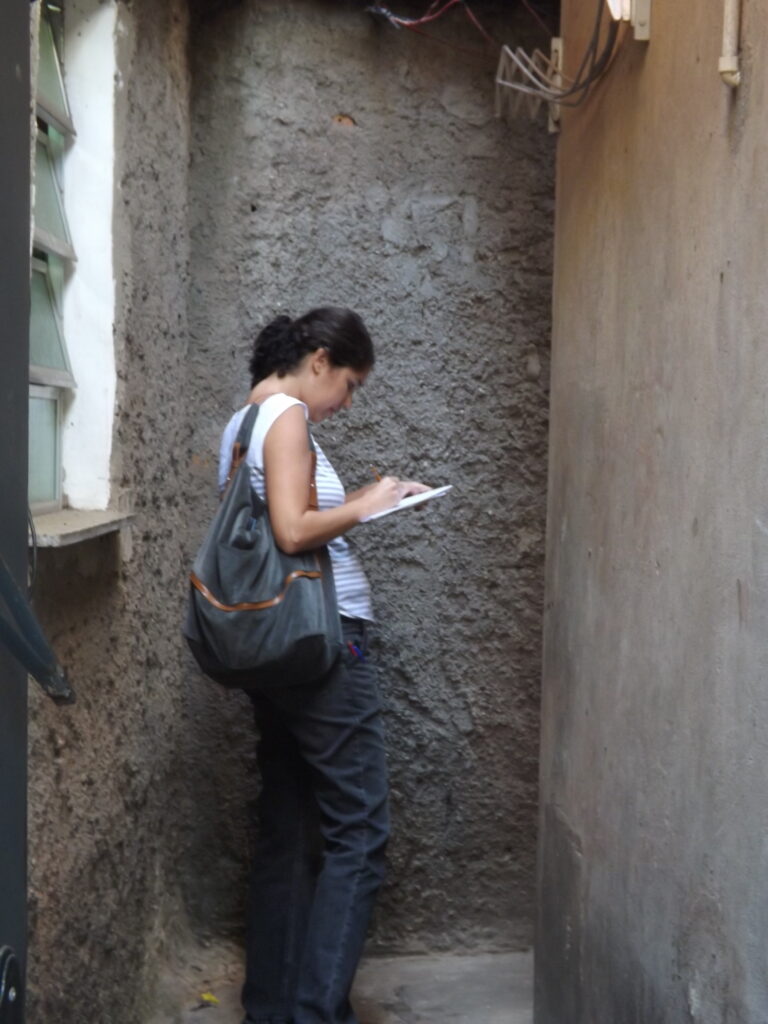
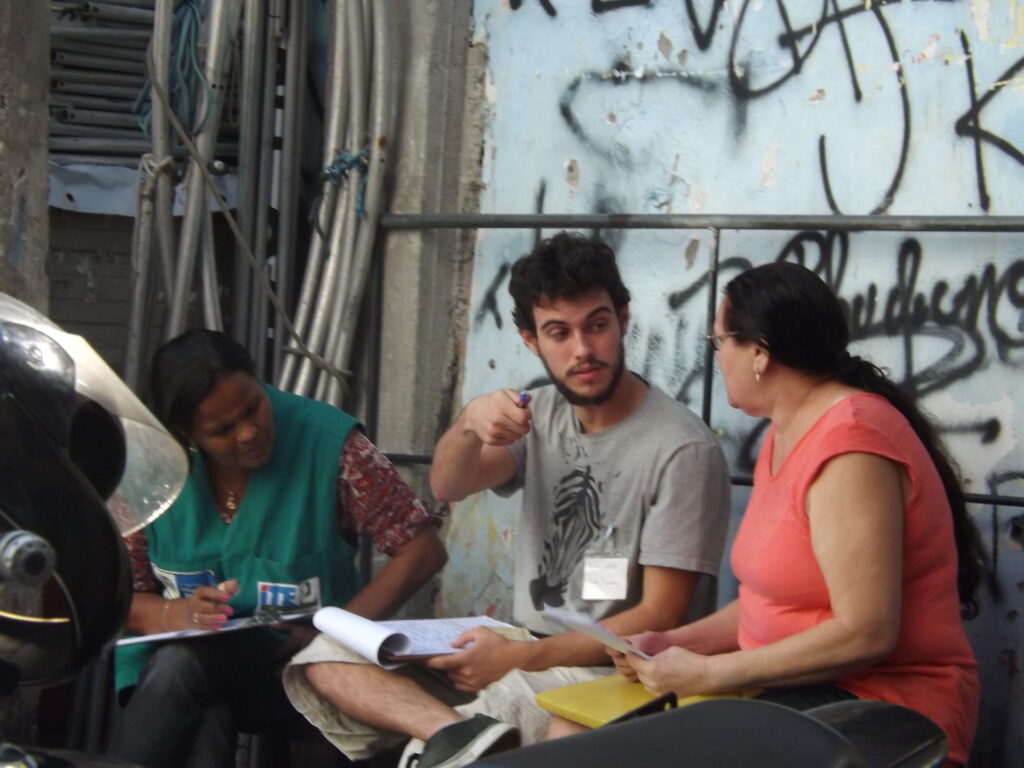
Inspired by the work of thinkers such as Boaventura de Sousa Santos, Bruno Latour, and Edgar Morin, the research understands the field not merely as an object of study but as a site of knowledge production and practice. By engaging directly with lived realities, it seeks to move beyond generalized assumptions and to foreground situated, experiential forms of understanding. Within this framework, favelas and squats are approached as spaces of experimentation, where alternative ways of living, organizing, and producing space are continuously negotiated and enacted.
Ultimately, the research argues that engaging with these contexts requires rethinking the foundations of architectural practice. It calls for the development of new approaches that are more responsive to collective processes, more open to diverse forms of knowledge, and more attuned to the political dimensions of space. By positioning favelas and squats as sites of innovation rather than exception, the work contributes to broader debates on urban transformation and the possibility of constructing more just and inclusive cities.
Outcomes
Doctoral Dissertation