Beyond the Shelter – Understanding the limits and potentialities between emergency and endurance in Refugee Camps in Germany
Period: 2020-2025
Funding: Deutsche Forschungsgemeinschaft DFG
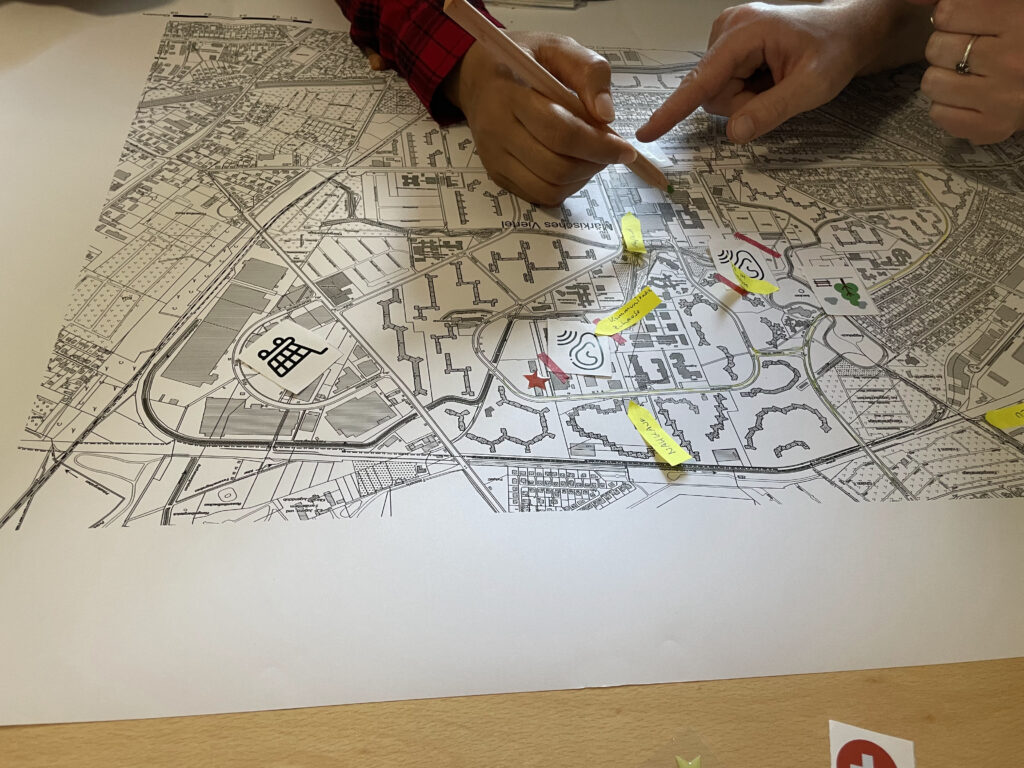
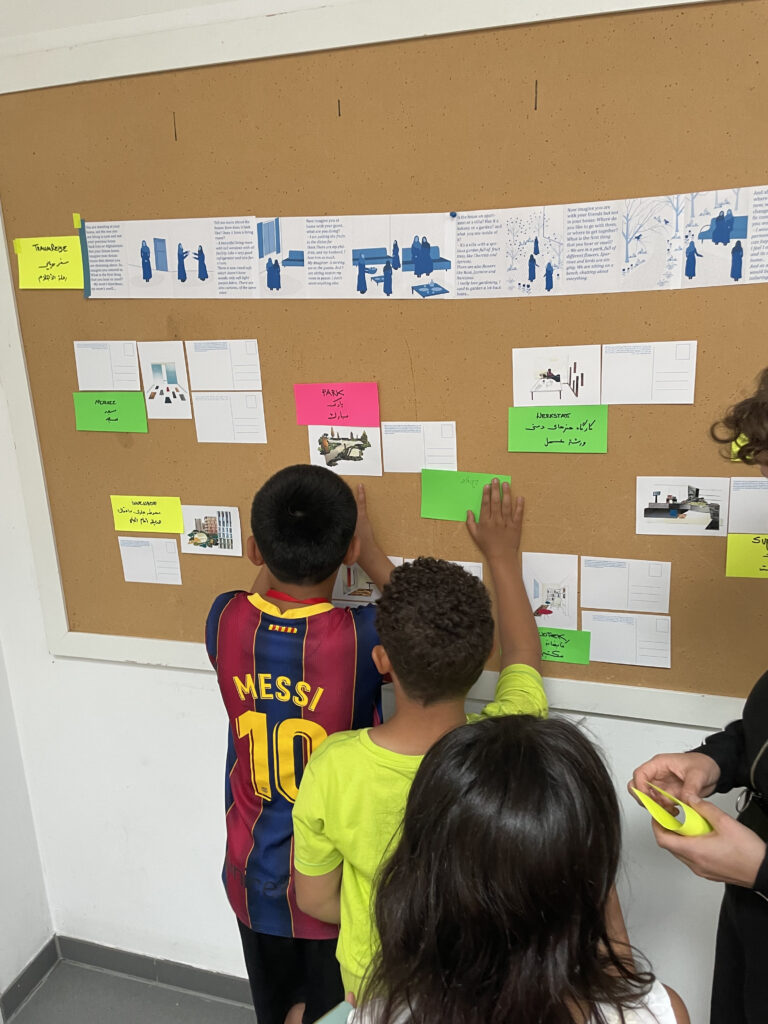
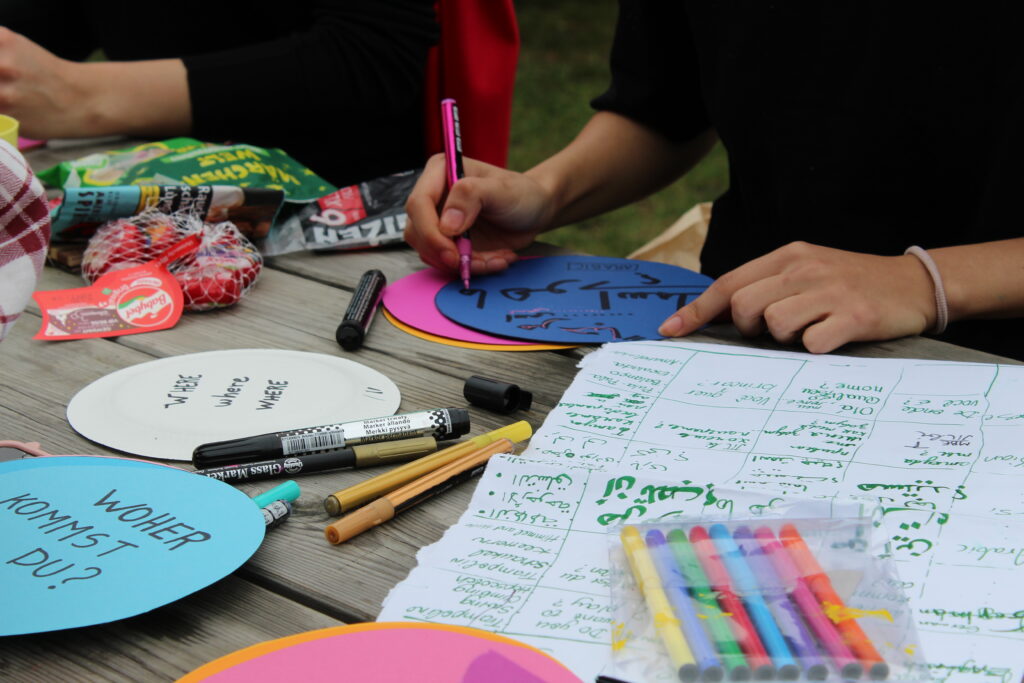
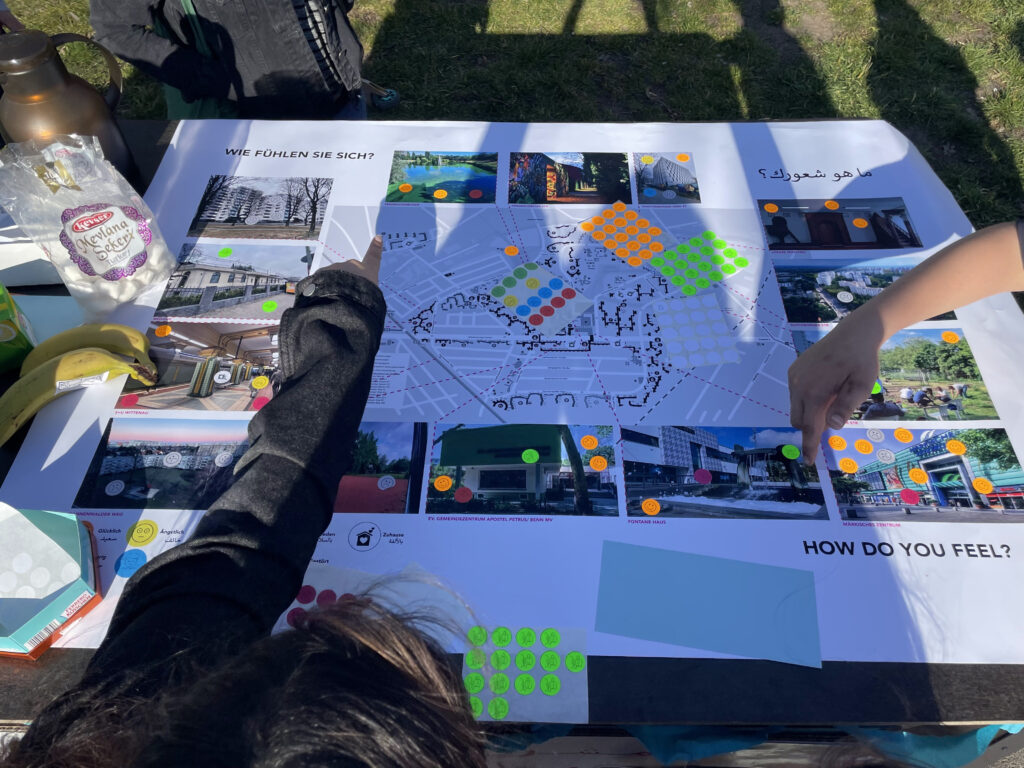
This research aims at looking at the impact of spatial dimensions in the integration of refugees living in refugee shelters in Berlin. To develop this debate, it is important to critically approach the term integration. Since the 1970s, the socio-political discussions in Germany have been strongly influenced by a conservative concept of integration. This is based on the idea that there is an established core society to which people with migration biographies must unilaterally adapt. According to this logic, traditional integration policy tries to eliminate deficits among migrants. Obstacles to integration are preferably seen in the cultural or religious differences or in the person of the migrant, not in the conditions of the host society (Weiss et al. 2019). The socio-spatial context is considered to play a significant role in the integration process of immigrants and refugees (Soederberg 2019). Refugee shelters in Berlin have very strict rules regarding spatial transformation – even when related to internal transformation of the housing units. Despite that, refugees manage to perform small transformations to create a sense of home and belonging (Steigemann and Misselwitz 2020). These spatial interventions are attempts to dwell (Dalal 2022) and are also connected to the inefficacy of the Berliner state to integrate refugees into the housing market. In a city like Berlin, where gentrification and privatization of public housing stock had a major impact on housing affordability (Holm 2014), the access to housing—and the social-spatial impact of not accessing it—unfolds as a central issue for refugees. Through collaborative research tools, elaborated through previous experiences in informal settlements in Brazil and earlier phases of this project, I aim to explore the views and narratives of refugees in Berlin shelters regarding their past, present, and envisioned living environments.
Outcomes
When all meet